Book a vetted cleaner for Mayfair offices today: a practical guide for busy teams
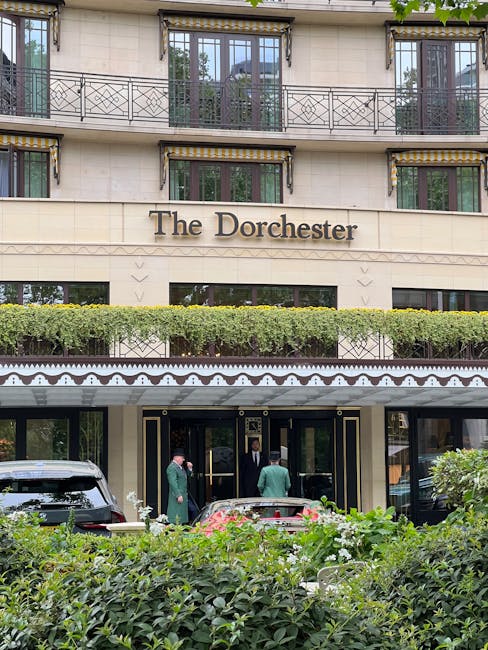
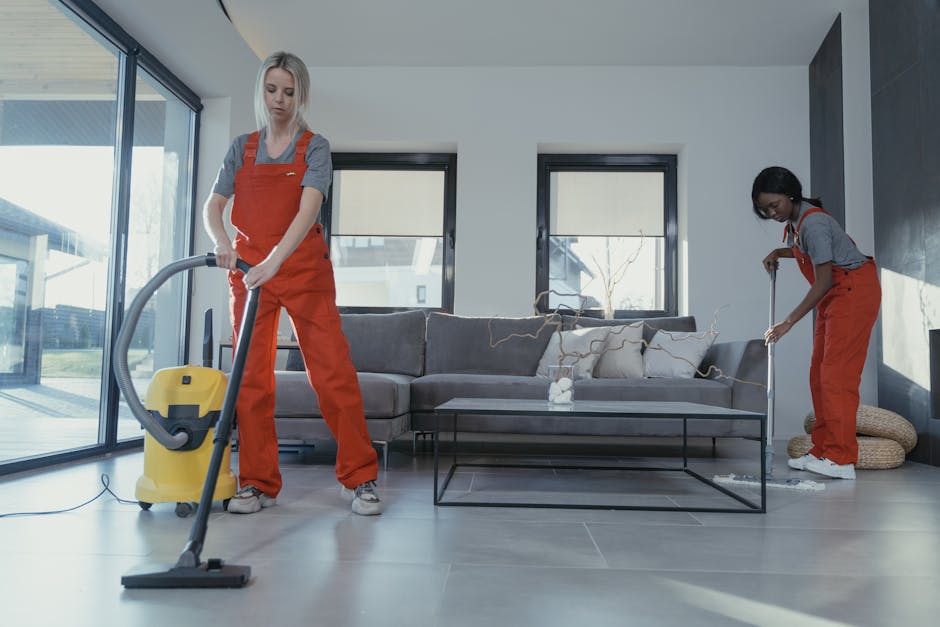
If you need to keep a Mayfair office looking polished, calm, and ready for clients, the simplest move is often the smartest one: Book a vetted cleaner for Mayfair offices today. In an area where first impressions matter and workspaces are often compact, high-value, and client-facing, the standard of cleaning is not a side issue. It affects how your team feels walking in at 8:30 a.m., how your visitors read your business, and how smoothly the day starts.
This guide walks through what vetted office cleaning actually means, how the booking process works, what to look for before you confirm, and where the common traps are. You will also find a comparison table, a practical checklist, and a realistic example so you can make a good decision without wasting time. Truth be told, that's usually the real challenge in Mayfair: not finding a cleaner, but finding one you can trust to show up, do the job properly, and fit around the rhythm of the office.
Contents
- Why booking a vetted cleaner matters
- How the booking process works
- Key benefits and practical advantages
- Who this is for and when it makes sense
- Step-by-step guidance
- Expert tips for better results
- Common mistakes to avoid
- Tools, resources and recommendations
- Law, compliance, standards, or best practice
- Options, methods, and comparison table
- Case study or real-world example
- Practical checklist
- Conclusion
- Frequently asked questions
Why Book a vetted cleaner for Mayfair offices today Matters
Mayfair offices are rarely just "somewhere people work". They are often reception-led, client-facing spaces where detail matters: fingerprints on glass, crumbs in a meeting room, scuffs on a hard floor, that faint stale air that appears after a long afternoon of back-to-back meetings. Small things. But they add up fast.
Booking a vetted cleaner is about more than tidiness. It is about trust, continuity, and reducing the friction that comes from unreliable service. A properly vetted cleaner or cleaning team should have had checks, screening, and a basic level of professionalism before they ever step into your premises. For an office in Mayfair, that reassurance counts. You are not just trying to get the bins emptied. You are protecting reputation, equipment, privacy, and routine.
There is also a practical side. Busy offices often need cleaning that works around different hours, building access rules, and shared property arrangements. In a district like Mayfair, where buildings can be older, access can be narrow, and management expectations can be exacting, a vetted cleaner who understands office environments can save you a lot of back-and-forth. No drama. No guesswork. Just a cleaner space and fewer headaches.
And let's face it, once a workplace starts to slip, people notice. Clients notice. Staff notice. Even you notice, usually on the day you least want to. Booking today is simply a way of staying ahead of that.
How Book a vetted cleaner for Mayfair offices today Works
The process is usually straightforward, but the details matter. A good provider will ask about the size of the office, floor type, number of rooms, cleaning frequency, and any specific concerns such as washroom sanitation, kitchen areas, high-touch surfaces, or after-hours access. That first conversation should feel practical, not pushy.
Here is the typical flow:
- You describe the office space - size, layout, usage, and priorities.
- The cleaner or provider confirms scope - daily, weekly, one-off, or deep cleaning.
- Access, timing, and security are agreed - reception handover, keys, alarm codes, or building management procedures.
- Tasks are defined clearly - desks, bins, kitchens, toilets, floors, glass, and communal areas.
- The booking is confirmed - with price, start date, and any recurring schedule set out in plain terms.
"Vetted" should not be a vague marketing word. It generally means there has been some form of screening, identity checking, reference review, insurance awareness, and operational standard. Different providers define it differently, of course, so ask what it means in practice. If the answer is fuzzy, that's a clue. A small one, but still a clue.
For offices, it also helps to understand whether you need commercial cleaning as a broader service or something more focused like office cleaning. The right option depends on how busy the space is, how formal the setting feels, and whether you need regular upkeep or a deeper reset.
Key Benefits and Practical Advantages
There are a few obvious benefits, and then there are the ones that only become obvious once you've had a good cleaner in place for a while.
- Better presentation - clean desks, polished floors, fresh washrooms, and a more professional feel for visitors.
- More consistency - a vetted cleaner is more likely to follow a defined routine rather than improvising every visit.
- Lower management stress - fewer complaints, fewer follow-ups, and less time spent chasing standards.
- Improved hygiene - especially in kitchens, toilets, door handles, and shared surfaces.
- Flexible scheduling - early mornings, evenings, or around meetings and client visits.
- Better care for materials - the right products and methods can protect office finishes instead of wearing them down.
There is also a quieter advantage: staff morale. It sounds soft, but it is real. People work differently in a space that feels looked after. They settle in more easily. They use common areas with a bit more respect. And they do not spend half the day muttering about the kitchen sink. That helps.
If your office includes reception furniture, upholstered chairs, carpets, or high-traffic stairways, the cleaning plan may need extra detail. In those cases, a provider that also offers carpet cleaning or upholstery cleaning can be especially useful, because those areas tend to show age faster than the rest of the room.
Who This Is For and When It Makes Sense
This service makes sense for a wide range of Mayfair workplaces, but it is especially useful if your office has regular visitors, tight turnaround times, or mixed use.
You may want to book now if you are:
- running a law firm, finance office, consultancy, design studio, or private client space
- managing a small office where the team handles cleaning inconsistently
- moving into a new premises and want a proper reset before staff arrive
- preparing for client meetings, inspections, or a busier trading period
- dealing with the usual "it'll get done later" problem that never really gets done
It also makes sense if your office has a reputation to protect. In Mayfair, that can be as simple as a reception area that needs to stay immaculate or as detailed as strict building rules, shared entrances, and a need for discreet service. If visitors are walking past your front door every day, the room starts speaking before anyone does.
A one-off deep clean may be enough after a refurbishment or a hectic period. For most offices, though, regular service is the better long-term option. If you are still weighing up the level of service you need, regular cleaning is often the most practical choice for maintaining standards without constantly restarting from scratch.
Step-by-Step Guidance
If you want to book without wasting time, use a simple process. Rushing the decision is how people end up with mismatched expectations, missed tasks, and that awkward "we thought you meant something else" conversation. Nobody enjoys that. Not even a little.
- List the office areas that matter most
Start with the obvious spaces: reception, meeting rooms, desks, washrooms, kitchens, and shared corridors. If there are any sensitive rooms, note them separately. - Decide how often you need cleaning
Daily, several times a week, weekly, or one-off. Frequency should reflect footfall, client traffic, and how quickly the office gets untidy. - Be clear about the standard you expect
For example, "wipe all touchpoints" is different from "surface clean the room." Say what matters, not just that it should be cleaned. - Ask about vetting and insurance
Look for plain explanations of screening, public liability cover, and what happens if there is damage, access trouble, or a missed visit. - Check scheduling and access arrangements
Will they work before opening hours? Can they operate quietly? Are keys, fobs, or building codes handled securely? - Confirm the quote in writing
Make sure the price covers the agreed tasks. If consumables, specialist materials, or parking are extra, ask early. - Review after the first clean
Give feedback quickly. The first visit is where small adjustments are easiest to make, and they usually are needed.
Here is a useful rule of thumb: if something would annoy you in week one, mention it before the first appointment. Better to sound slightly fussy upfront than quietly irritated later. Honestly, it saves everyone time.
Expert Tips for Better Results
Once you have the basics in place, a few small decisions can make a big difference to the quality and reliability of the service.
Be specific about priorities
Not every room needs equal attention every visit. In many offices, the kitchen, toilets, and reception deserve the most consistent focus. Meeting rooms may need a deeper refresh before client days, while storage areas can often be kept on a lighter rotation.
Match the cleaning plan to the building
Mayfair offices are not all the same. Some sit in elegant older properties with demanding access and delicate finishes. Others are modern, minimal, and easier to maintain. The best cleaning plan reflects the building rather than forcing it into a generic checklist.
Use recurring tasks and occasional deep cleans together
Regular cleaning keeps the place workable. Deep cleaning catches the stuff people miss: skirting edges, grout lines, behind furniture, and places that quietly gather dust like they have a hobby. If you need a reset, deep cleaning can complement routine visits very well.
Think in terms of patterns, not emergencies
If bins overflow every Thursday, that is a pattern. If the kitchen gets messy after weekly team lunches, that is a pattern too. Good cleaning arrangements respond to patterns before they become complaints.
Keep a simple feedback loop
A short note after the first few cleans is enough. You do not need a fifty-point report. Just say what was good, what was missed, and what should happen next time. Clear, calm, direct. It works.
Expert summary: The best office cleaning setups are not the flashiest ones. They are the ones that make the building feel quietly under control every day, with no fuss and no surprises.
Common Mistakes to Avoid
A lot of cleaning problems come from the booking process, not the cleaning itself. That is the frustrating bit. You think you have bought a straightforward service, then discover the scope was too vague to be useful.
- Choosing on price alone - the cheapest quote is not always the best value if it misses key tasks or lacks reliability.
- Being vague about scope - "clean the office" can mean very different things to different people.
- Ignoring access details - a delayed cleaner is often an access problem, not a cleaning problem.
- Forgetting about consumables - paper products, bin liners, soap, and specialist supplies may need to be included or supplied separately.
- Assuming all cleaners handle the same materials - glass, hardwood, stone, and upholstery may require different methods.
- Skipping the first review - if you do not check the first visit properly, small issues can become habits.
Another one, slightly mundane but important: do not assume every cleaner knows office etiquette. In an office, silence, privacy, and discretion matter. A cleaner who understands not to disturb documents, move personal items unnecessarily, or create noise during calls is worth keeping.
Tools, Resources and Recommendations
You do not need fancy software to manage office cleaning well, but a few simple tools can help keep things smooth.
- A room-by-room cleaning checklist - ideal for reception, meeting rooms, washrooms, and kitchens.
- A shared office note - for temporary instructions such as "meeting at 4 p.m." or "do not enter room 2 before noon".
- A basic standards sheet - what "done properly" looks like for your office.
- Recurring calendar reminders - useful for deep cleans, carpet care, or seasonal resets.
- Supplier information - if you need to confirm insurance, payment terms, or complaint handling.
For broader service support, it can help to know where a provider stands on business admin too. Pages such as pricing and quotes, payment and security, and insurance and safety give useful context if you want to understand how the service is run behind the scenes.
If sustainability matters to your team, ask whether waste handling, product choices, and recycling practices align with your office expectations. You do not need a lecture about it. Just clear, sensible information. A provider with a recycling and sustainability approach can be a good fit for offices that want cleaner operations in every sense.
Law, Compliance, Standards, or Best Practice
For office cleaning in the UK, the main point is not to overstate legal detail. But you should still expect sensible standards around safety, insurance, confidentiality, and working practices.
In practical terms, a reputable cleaning provider should be able to explain how they handle:
- risk awareness when working around floors, cables, glass, and shared access points
- safe use of cleaning chemicals and equipment
- basic insurance and liability expectations
- secure access to keys, alarms, or building entry systems
- confidentiality in client-facing or document-sensitive environments
It is also wise to ask about their own internal policy documents. You do not need a thick binder in your hands, but you should know whether they maintain clear procedures. If a provider has a health and safety policy and a straightforward approach to terms and conditions, that usually signals a more organised operation.
For businesses handling sensitive materials or visitors, discretion matters just as much as tidiness. A cleaner in an office should not feel intrusive. They should work around the space, not through it. That sounds obvious, but you would be surprised.
Options, Methods, and Comparison Table
Different office cleaning options suit different situations. If you are not sure which one fits your Mayfair office, the table below gives a quick, plain-English comparison.
| Option | Best for | Strengths | Watch-outs |
|---|---|---|---|
| Regular office cleaning | Busy workplaces needing steady upkeep | Reliable routine, easier maintenance, fewer surprises | May not address built-up dirt unless paired with deeper cleaning |
| One-off cleaning | Events, resets, or occasional support | Flexible, good for immediate improvement | Not ideal for maintaining long-term standards on its own |
| Deep cleaning | Post-renovation, seasonal refreshes, neglected spaces | More thorough, tackles hidden grime and detail work | Usually takes longer and may cost more than routine visits |
| Specialist add-ons | Carpets, upholstery, floors, windows, or problem stains | Targets specific issues effectively | Best used alongside core office cleaning, not instead of it |
If your office is mainly about daily professionalism, regular cleaning is usually the backbone. If you have carpets that show wear, a reception area that takes a beating, or furniture that gathers marks quickly, specialist support such as commercial carpet cleaning or window cleaning may make a visible difference.
Case Study or Real-World Example
Imagine a boutique consultancy near the heart of Mayfair. The office is not huge, but it hosts clients several times a week. The reception area is small, the meeting room doubles as a presentation space, and the kitchen gets used by a team that is often in and out. Nothing dramatic, just a busy place with high standards.
At first, the firm tried informal arrangements. Staff took turns with wipe-downs, bins, and the kitchen. It worked for about two weeks. Then a client arrived earlier than expected, the meeting room table had visible coffee rings, and the dust on the window ledges was suddenly impossible to ignore. Not a catastrophe, but not ideal either.
They then switched to a vetted cleaner with a clear office schedule. The arrangement was simple: early evening visits, a defined list of tasks, and a monthly review of priorities. The first thing they noticed was not just a cleaner office, but less day-to-day friction. Staff stopped arguing about whose turn it was to empty the dishwasher. Visitors stepped into a space that felt controlled and cared for. There was a little sigh of relief, honestly.
When a deep clean was later added for the carpets and upholstery, the whole space looked sharper again. The change was not flashy. It was steady. And that is usually the point.
Practical Checklist
Use this checklist before you confirm your booking. It keeps the process sensible and stops the usual oversights.
- Have you listed every room or area that needs attention?
- Have you decided whether you need regular, one-off, or deep cleaning?
- Do you know what "vetted" means for this provider?
- Are access times, keys, and building rules clearly understood?
- Have you asked what is included in the quote?
- Have you checked whether consumables or specialist products are extra?
- Do you know how complaints or missed visits are handled?
- Have you confirmed insurance and safety expectations?
- Is there a clear contact person for day-to-day communication?
- Have you planned a quick review after the first clean?
Quick reality check: if three or more of those answers are "not yet", pause for a moment and sort them out first. It will save time later. Probably a fair bit of it.
Conclusion
To book a vetted cleaner for a Mayfair office is to choose calm over chaos, structure over scrambling, and a better first impression every single day. That matters in a district where presentation, privacy, and timing all count. The right service should feel easy to manage, clear in scope, and reliable enough that you do not have to keep thinking about it.
Start with your priorities, ask practical questions, and pick a cleaner who understands office life as it actually is, not as a brochure might describe it. If you do that, the difference shows up quickly - in the reception, in the meeting rooms, and in the general feeling of the place. And that feeling matters more than people admit.
Get a free quote today and see how much you can save.
Sometimes the best business decisions are the quiet ones. This is one of them.
Frequently Asked Questions
What does a vetted cleaner for a Mayfair office usually include?
It usually means the cleaner has been screened in some way and is expected to meet a defined standard of professionalism. In office terms, that often includes routine cleaning of desks, floors, bins, kitchens, toilets, and shared areas, plus sensible handling of access and privacy.
How quickly can I book a cleaner for an office in Mayfair?
That depends on availability, the size of the office, and how specific your requirements are. If you need a straightforward regular clean, booking can often be arranged quickly. If you need a larger or more detailed service, it may take a little longer to plan properly.
Is office cleaning in Mayfair different from domestic cleaning?
Yes, usually. Office cleaning tends to focus more on presentation, shared hygiene, access control, and fitting around business hours. Domestic cleaning is different in rhythm and priorities. If you want to compare the two, the needs are not the same, even when the space looks similar at first glance.
Should I choose regular cleaning or a one-off service?
If the office is used every day, regular cleaning is usually the better option because it maintains standards instead of constantly catching up. A one-off clean is better for events, moves, or a reset after a busy stretch. A lot of offices use both at different times.
What should I ask before confirming a booking?
Ask what "vetted" means, what is included in the quote, whether insurance is in place, how access is managed, and whether consumables or specialist tasks cost extra. A good provider should answer these questions clearly, without making you decode vague language.
Can a cleaner work outside office hours?
Often, yes. Many offices prefer early morning or evening visits so the service does not interrupt the working day. The exact timing depends on access arrangements, building rules, and the cleaner's availability.
What if my office has carpets or upholstered furniture?
Then it is worth asking about specialist add-ons. Carpets and upholstery need different treatment from general surface cleaning. In a high-traffic office, these areas can affect the whole feel of the space, so they are worth planning for.
How do I know if the quote is fair?
A fair quote should match the size of the office, the frequency of cleaning, the level of detail required, and any specialist tasks. Compare what is included, not just the headline price. The cheapest option can be poor value if it leaves key areas untouched.
Do vetted cleaners need to be insured?
They should have appropriate insurance for the work they do. For office cleaning, it is sensible to confirm this early. It is one of those things that is easy to ignore until something goes wrong, and by then it is too late to be casual about it.
How can I make sure the cleaner understands the office layout?
Provide a simple walkthrough, a room list, or a written note on priorities. Even a short briefing helps. If the office has sensitive rooms, restricted areas, or particular client-facing spaces, spell those out from the start.
What is the biggest mistake people make when booking office cleaning?
The biggest mistake is being too vague. If the tasks, timing, and standard are not clear, even a good cleaner can end up missing the mark. A little clarity upfront makes the whole relationship smoother and much less annoying.
Can I combine office cleaning with other services?
Yes, and often that is the smart move. Many offices combine routine cleaning with carpet care, window cleaning, or deep cleaning from time to time. That keeps the whole space looking sharper and avoids letting one neglected area drag the rest down.
What if I need help after a refurbishment or office move?
Then a deeper service or post-project clean is usually better than a standard visit. After works or a move, dust and debris tend to show up in odd places. A more thorough clean helps reset the office so people can start properly in the new space.