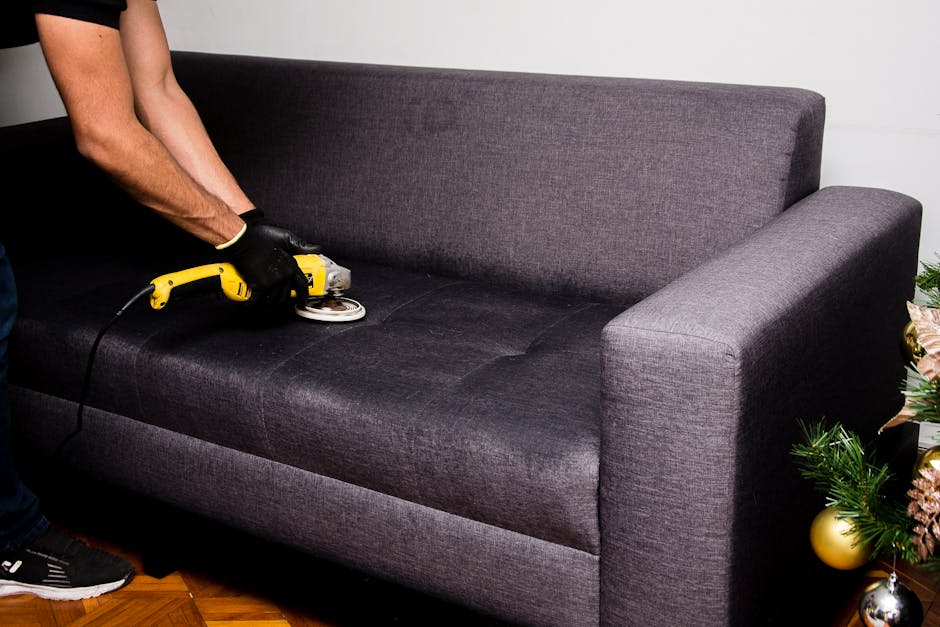
Park Lane luxury flat upholstery cleaning in Mayfair
Posted on 02/06/2026
Park Lane luxury flat upholstery cleaning in Mayfair: a practical guide for elegant homes
Luxury flats near Park Lane ask for a slightly different level of care. The fabrics are finer, the interiors are often more bespoke, and the margin for error is tiny. A chair that looks "just a bit tired" in a standard property can feel genuinely out of place in a Mayfair home. That is why Park Lane luxury flat upholstery cleaning in Mayfair needs more than a quick once-over with a domestic machine. It needs judgement, the right method for the fabric, and a calm, careful approach that respects the room as much as the upholstery.
In this guide, we'll walk through how professional upholstery cleaning works in high-end flats, what to expect, which mistakes to avoid, and how to choose a service that suits a premium interior. You'll also find a simple checklist, a method comparison, and useful links to related services and local resources, including upholstery cleaning in Mayfair, the wider services overview, and pricing and quotes. No fluff. Just useful detail you can actually use.
Why Park Lane luxury flat upholstery cleaning in Mayfair Matters
Park Lane and the surrounding Mayfair streets are known for polished, carefully designed interiors. That often means silk-blend cushions, wool upholstery, velvet sofas, designer dining chairs, and pieces that were chosen as much for texture as for appearance. Those materials can be lovely, but they are also unforgiving if cleaned badly. Too much moisture, the wrong detergent, or a rushed method can leave tide marks, flatten the pile, or weaken delicate fibres.
There's also the lifestyle side of it. Luxury flats tend to see a mix of quiet living, entertaining, staff traffic, guests, and sometimes short stays between ownership changes. A sofa in a formal reception room may not look heavily used, yet oils from skin contact, airborne dust, and the occasional spill build up quietly over time. Truth be told, the grime is often more subtle than dramatic. It is the sort of thing you only notice once it has gone.
In a high-value property, upholstery care is not just about hygiene. It is about preservation. If the furniture looks dull, that changes the feel of the whole room. If the finish is uneven, it can affect the impression of the flat during viewings, private events, or even a simple evening in with guests. For a broader local context on homes and lifestyle in the area, you may also find life in Mayfair from the local perspective and this guide to the chic enclave of Mayfair useful.
Key point: in a luxury flat, upholstery cleaning is part maintenance, part presentation, and part fabric protection. That combination matters more than people think.
How Park Lane luxury flat upholstery cleaning in Mayfair Works
A good upholstery cleaning visit starts with inspection, not chemicals. An experienced cleaner will identify the fibre type, construction, colour stability, and any problem areas before choosing a method. That first check matters because velvet, linen, wool, mixed synthetics, and leather all behave differently. What is safe for one piece may be the wrong approach for another.
In practice, professional cleaning for a Mayfair flat often follows a series of steps:
- Inspection and fibre identification.
- Dry vacuuming to remove loose dust and grit.
- Pre-testing in a discreet area.
- Spot treatment for stains, if appropriate.
- Cleaning with the most suitable method.
- Controlled moisture removal and drying support.
- Final grooming, pile alignment, and a visual check.
The method itself may vary. Hot water extraction can be suitable for some robust fabrics, while low-moisture or specialist dry cleaning approaches are better for delicate pieces. Leather needs separate care entirely. Velvet and suede-like finishes need particular restraint, because over-wetting or aggressive brushing can leave a flat patch that stands out under London daylight. And yes, even grey upholstery can show it.
In a luxury flat, access also matters. Protecting flooring, walls, lifts, and narrow hallways is part of the job. If the property has marble, polished timber, or expensive soft furnishings nearby, the cleaner should work cleanly and keep the area tidy throughout. You do not want a cleaning day to become a second project.
Key Benefits and Practical Advantages
Professional upholstery cleaning brings a few very real benefits, and they go beyond appearance. The most obvious one is visual renewal. Sofas and chairs often regain depth of colour and a more even finish. That makes the entire room feel fresher, which is especially noticeable in elegant flats where natural light, mirrors, and lighter fabrics amplify everything.
There is also a practical advantage. Dust, crumbs, pet hair, and invisible soils are easier to remove before they settle deeply into fibres. That can help keep upholstery feeling comfortable and looking presentable for longer. For households with frequent visitors, children, pets, or staff coming and going, that makes day-to-day life simpler. Less nagging. Less last-minute fuss.
Another benefit is risk management. Stains left too long can become permanent, especially on natural fibres or pale fabrics. Cleaning sooner usually gives you more options and a better result. It can also reduce the need for a replacement piece, which, in a luxury interior, is not a small consideration. Reupholstery or replacement can be expensive and time-consuming, and matching existing decor can be awkward.
Here is a quick practical summary:
Expert summary: Good upholstery cleaning in a Park Lane flat is less about "making it look clean" and more about preserving the material, the finish, and the overall feel of the room. Done properly, it should be discreet, measured, and tailored to the fabric.
If you want the wider cleaning picture as well, it helps to see how upholstery care fits alongside carpet cleaning in Mayfair W1K or even house cleaning in Mayfair for a fuller property refresh.
Who This Is For and When It Makes Sense
This service is for anyone managing a premium flat where presentation and fabric care really matter. That includes homeowners, landlords, letting agents, property managers, and residents who simply want their furnishings to stay in good condition. If your home is regularly used for hosting, business meetings, or family gatherings, upholstery will take more wear than you may notice day to day.
It also makes sense in a few specific situations. For example, if you are preparing a flat for sale or letting, cleaned upholstery helps the property feel cared for. If you are moving in and want a proper reset, it can remove the "lived-in" feel left by previous occupants. If you run a luxury rental or short-let property, regular cleaning helps protect the standard guests expect. Makes a difference. A real one.
Here are some common signs it is time to book:
- Visible seating marks or shading on arms and headrests.
- Spills that have dried but left a shadow or ring.
- Dusty, dull-looking fabric even after vacuuming.
- Musty odours after closed-up periods or damp weather.
- Pet hair and skin oils building up on frequently used furniture.
- Allergy concerns where dust retention is becoming noticeable.
If you are weighing upholstery care against other jobs, consider whether the flat also needs domestic cleaning in Mayfair or even end of tenancy cleaning. In many cases, combining services saves time and reduces disruption.
Step-by-Step Guidance
If you are arranging cleaning for a luxury flat, the process should feel orderly and transparent. Not overcomplicated, just properly handled. Here is a practical step-by-step view of what a good visit typically looks like.
1. Start with fabric identification
The cleaner should ask what the upholstery is made from, or check it in person. Labels help, but they are not always present or accurate. If the piece is antique, bespoke, or designer-made, mention that early. It changes the approach.
2. Highlight problem areas
Point out stains, odours, water marks, pet issues, or sun-faded sections. A quick walk-through before work begins avoids surprises. It also helps the cleaner decide whether a full clean, targeted treatment, or a more cautious method is best.
3. Protect the surroundings
In a Park Lane flat, protecting the space matters as much as the upholstery. Floors, skirtings, marble surfaces, and nearby art should be covered or moved carefully. Little things matter here. Especially in a room with expensive, irreplaceable details.
4. Test before treating
Any reputable professional should test a discreet area first. This checks for colour fastness, texture change, or unexpected reaction. It may feel slow if you are in a hurry, but skipping this step is asking for trouble.
5. Apply the most suitable cleaning method
Depending on the fibre and soil level, the cleaner may use low-moisture cleaning, hot water extraction, dry compound cleaning, or specialist hand treatment. The objective is always the same: remove soil effectively without damaging the fabric.
6. Focus on drying and finish
Drying should be controlled. Good airflow, careful moisture management, and finishing touches such as pile brushing can make a huge difference. A sofa should not be left looking "clean but tired." It should look restored.
If you want to understand how a provider structures broader jobs, the services overview is a sensible place to compare options before booking.
Expert Tips for Better Results
The best results usually come from a few simple habits, and honestly, these are the ones people skip because they seem too basic. They are not.
- Act early on spills. Blot gently with a clean white cloth. Do not scrub. Rubbing just spreads the stain and pushes it deeper.
- Vacuum regularly. Fine grit acts like sandpaper over time. It wears the fabric down, especially around seats and seams.
- Check sunlight exposure. Strong daylight can fade one side of a sofa faster than the other. Rotating cushions helps a bit.
- Be honest about the fabric. If the piece is delicate, say so. Better a cautious clean than a ruined finish.
- Think in zones. High-use areas may need attention sooner than the rest of the flat. The arm nearest the window, for example, often shows wear first.
- Ask for drying guidance. If a room is warm and sealed, drying slows. Open ventilation helps more than people realise.
A small human note here: one of the most common surprises is just how much dust can come out of a sofa that looked fine from two feet away. It's slightly humbling, really. But that is exactly why proper cleaning works.
Common Mistakes to Avoid
Luxury upholstery goes wrong most often because someone tries to hurry the process. That is the short version. The slightly longer one is that the wrong product, too much water, or overconfidence with a delicate fabric can create a bigger problem than the original mark.
- Using a generic stain remover. Household sprays can bleach, darken, or leave a sticky residue.
- Over-wetting the fabric. This can cause water marks, fibre distortion, and long drying times.
- Skipping a test patch. A quick patch test is one of the simplest ways to avoid damage.
- Ignoring cushion construction. Inner fillings can trap moisture if the wrong technique is used.
- Trying to clean antique or designer pieces as if they were standard furniture. They are not.
- Forcing heat drying. Too much heat can alter texture or shrink some fabrics.
Another subtle mistake is assuming a piece that looks dark or patterned is safe from marking. It often is not. Texture change, flattening, and faded sheen can still show up, especially when light hits the fabric from a side angle.
Tools, Resources and Recommendations
You do not need a cupboard full of specialist products to manage upholstery well, but a few sensible tools make a difference between cleans.
| Tool or resource | Why it helps | Best use case |
|---|---|---|
| Soft brush attachment | Removes dust without roughing up fibres | Routine vacuuming on fabric sofas and chairs |
| Microfibre white cloths | Helps blot spills without colour transfer | Fresh stains and spot treatment |
| Fabric care label or maker guidance | Shows what the upholstery can safely tolerate | Designer, antique, or bespoke pieces |
| Portable upholstery cleaning system | Allows targeted cleaning with controlled moisture | Professional use on more robust fabrics |
| Air movers or good ventilation | Helps moisture leave the fabric evenly | Drying after a deep clean |
For many readers, the most useful resource is not a product at all but a service page that explains scope and expectations. If you are comparing cleaning across an entire property, office cleaning in Mayfair can also be useful if you manage both residential and commercial spaces, though the methods and timing will differ.
And if you want to understand the business side of booking, about us and carpet cleaners in Mayfair can help you gauge the company behind the service, not just the service itself.
Law, Compliance, Standards, or Best Practice
Upholstery cleaning in private homes is not usually a heavily regulated activity in the way some technical trades are, but that does not mean standards do not matter. A careful provider should still work with good practice around chemicals, safety, property protection, and customer communication. In the UK, that normally includes sensible handling of products, clear risk awareness, and respect for the client's property.
For a luxury flat, a few expectations are worth keeping in mind:
- Insurance matters. Accidental damage protection is reassuring when furniture is valuable or custom-made.
- Product safety should be clear. If a cleaner uses detergents or spotters, they should be able to explain them in plain English.
- Health and safety should not be guesswork. Equipment cables, damp floors, and access routes need basic control.
- Data and access should be handled respectfully. This is especially relevant in managed buildings or when concierge access is involved.
If you want reassurance on operational standards, the pages for insurance and safety and health and safety policy are worth a look. For booking confidence and payment details, payment and security, terms and conditions, and privacy policy are the sort of pages sensible clients check before confirming a visit. Nothing dramatic. Just good housekeeping, really.
Options, Methods, or Comparison Table
Different upholstery materials call for different methods. The right choice depends on fibre sensitivity, soiling level, dry time requirements, and whether the item is decorative, heavily used, or heritage-style.
| Method | Best for | Advantages | Limitations |
|---|---|---|---|
| Hot water extraction | Durable synthetic fabrics and some wool blends | Strong soil removal, deeper clean | Not ideal for very delicate or moisture-sensitive materials |
| Low-moisture cleaning | High-end fabrics needing faster drying | Less water, reduced downtime | May need more careful pre-treatment |
| Dry compound cleaning | Very sensitive upholstery or minimal-moisture requirements | Gentle on delicate materials | May be less effective on heavy staining |
| Manual spot and fibre care | Silk, velvet, antiques, or tricky mixed fabrics | Highly controlled and cautious | Slower, more labour-intensive |
The right method is rarely about choosing the strongest one. It is about choosing the least risky method that still achieves the result you want. That is a big difference, and a very Mayfair difference too, if we are being honest.
Case Study or Real-World Example
Here is a realistic example. A resident in a Park Lane flat had a pale fabric sofa in a formal sitting room. The room looked immaculate at first glance, but under brighter daylight the seating areas had a dull patchy appearance, and one armrest had a faint coffee mark from a rushed morning. The cushions had also picked up a slight stale smell after the flat had been closed for several weeks.
The sensible approach was not a heavy-handed full soak. Instead, the technician inspected the label, tested a discreet area, and used a low-moisture fabric-safe method with careful pre-treatment on the mark. The cushions were groomed after cleaning, and the room was left ventilated so drying could finish evenly. The change was subtle but obvious: the sofa looked brighter, the texture felt fresher, and the room regained the calm, polished look it had before. No drama. Just a proper reset.
That sort of job is common in premium properties. It is rarely about one catastrophic stain. More often, it is about a collection of small things that quietly dull the space. Once they are gone, the room feels better immediately.
Practical Checklist
Use this checklist before booking or preparing for upholstery cleaning in a luxury flat:
- Identify the main fabric type where possible.
- Note any stains, odours, or worn spots.
- Photograph existing damage if you want a before-and-after reference.
- Move fragile items, lamps, and decorative objects away from the working area.
- Ask about testing, drying time, and method suitability.
- Confirm access arrangements for concierge, parking, or loading if needed.
- Check whether the provider carries insurance.
- Ask how they handle delicate finishes such as velvet, wool, or leather.
- Plan for ventilation after cleaning.
- Keep children and pets away from damp upholstery until fully dry.
If you are arranging a broader reset for the property, a combination of upholstery care and carpet cleaning in Mayfair can be a smart move. It often gives the flat a more complete lift than doing one surface only.
Conclusion
Park Lane luxury flat upholstery cleaning in Mayfair is really about preserving the look, feel, and value of beautifully furnished living spaces. It is not a rough utility job. It is careful work for people who want their interiors to stay elegant, comfortable, and well kept without taking unnecessary risks with delicate materials.
The best results usually come from a sensible plan: identify the fabric, choose the right method, protect the room, and give the piece the drying time it needs. Whether you are maintaining a home, preparing for guests, or getting a flat ready for sale or rental, the right upholstery care can quietly transform how the space feels. And that matters more than people admit, doesn't it?
Get a free quote today and see how much you can save.
If you want a straightforward next step, start with the upholstery page, review the service scope, and check the practical details around safety and pricing. That way you know exactly what is being offered before anyone steps through the door. Calm, clear, no fuss.