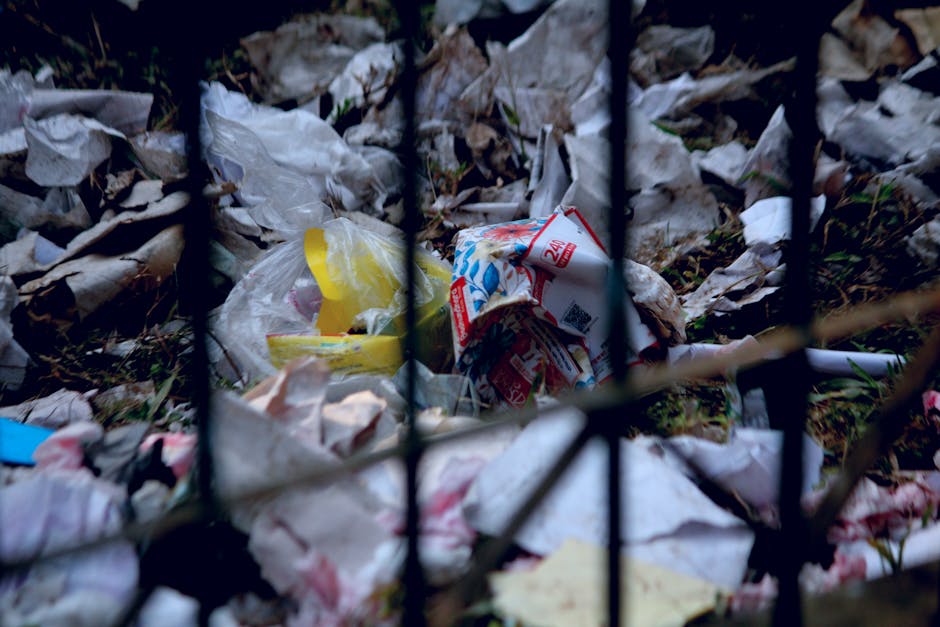
Mayfair hazardous waste disposal: legal obligations
Posted on 06/07/2026
If you are dealing with paint tins, solvents, fluorescent tubes, cleaning chemicals, batteries, sharps, contaminated cloths, or other tricky materials in Mayfair, the legal side matters just as much as the practical one. Mayfair hazardous waste disposal: legal obligations can feel a bit dry at first glance, but in real life it is about protecting people, avoiding penalties, and making sure waste leaves a property the right way. Whether you manage a townhouse, run an office near Bond Street, oversee a rental, or simply want to clear out risky items after a deep clean, the rules are worth understanding properly.
And let's face it, hazardous waste is not the sort of thing you want sitting around "for now". It can smell, leak, corrode, or create a fire risk. In a high-value area like Mayfair, where buildings are often occupied, shared, and carefully managed, getting disposal wrong can create more hassle than most people expect. This guide walks through what the obligations mean, who they apply to, how the process usually works, and the sensible steps that keep you compliant without making the job harder than it needs to be.
For broader local context on the area and how property and cleaning needs shape day-to-day decisions, you may also find this Mayfair area guide useful, along with local views on living in Mayfair and waste rules affecting Mayfair clean-ups.

Why Mayfair hazardous waste disposal: legal obligations Matters
Hazardous waste is not just "waste with a warning label". It is material that can harm people, property, or the environment if it is stored, moved, mixed, or disposed of badly. In practical terms, that means items such as chemical cleaners, solvent-based products, adhesives, oils, batteries, pesticide containers, contaminated absorbents, and similar materials need more care than ordinary rubbish.
In Mayfair, the stakes are often a little higher because many properties are dense, high-occupancy, and sensitive to disruption. A leaking container in a basement store room, for example, can affect neighbours, staff, contractors, and the building fabric itself. A small mistake can become a building-management issue very quickly. Nobody wants that awkward phone call on a busy Tuesday morning.
The legal obligations exist for a reason: they create a chain of responsibility. The person producing the waste, the person storing it, and the person transporting it all have duties. If you break that chain, the risk does not vanish. It usually just becomes your problem later.
There is also a reputation angle, especially for landlords, letting agents, hospitality operators, and office managers. Poor disposal can look careless, and in a place like Mayfair, carelessness tends to be noticed. Good compliance, on the other hand, supports smoother inspections, safer working conditions, and better document trails if anyone ever asks questions.
Practical takeaway: hazardous waste disposal is about more than "getting rid of stuff". It is about proving that the waste was identified correctly, kept separate, moved safely, and handed to the right people at the right time.
If you are coordinating a larger property clear-out or an end-of-tenancy clean, the context in end-of-tenancy cleaning in Mayfair and the planning ideas in this move-out checklist can help you think through the wider process.
How Mayfair hazardous waste disposal: legal obligations Works
In plain English, the process usually follows a simple logic: identify, separate, store, document, collect, and confirm disposal. The details depend on the type of waste, but the same basic discipline applies across domestic, commercial, and managed-property settings.
1. Identify what is hazardous
Start by checking what you actually have. Some items are obviously hazardous, such as strong chemicals or used sharps containers. Others are less obvious. Old cleaning liquids, partially used paint, spray cans, and oily rags can all fall into a higher-risk category depending on their composition and condition. If you are unsure, do not guess and do not mix it with general waste "just to be safe". That phrase causes a lot of problems, oddly enough.
2. Keep it separate from general waste
Hazardous materials should be segregated from normal rubbish. That means no loose mixing with bags of office waste, food waste, or building debris. Separation makes storage safer and makes the eventual collection more manageable. It also helps if one item leaks, because contamination stays contained instead of spreading through the whole lot.
3. Store it securely and label clearly
Use suitable containers, close lids properly, and keep labels visible. A labelled container is much easier to handle than a mystery box with an old coffee cup lid on it. Secure storage matters even for short periods. In a townhouse or office basement, it may be as simple as keeping items in a locked utility space away from heat sources and foot traffic.
4. Arrange collection through a competent route
Hazardous waste should be handed to a carrier or contractor that is set up to handle it lawfully. The key point is not just convenience; it is competence. The collector should know how to manage the specific waste stream, and the transfer should be documented in a way that shows the handover took place properly.
5. Keep the paperwork
Paperwork is not glamorous, but it is where compliance lives. Keep records of what was removed, when it was removed, by whom, and under what conditions. If a dispute ever arises, that record can save a lot of time and stress. A file that looks boring today can be extremely valuable later. Funny how that works.
6. Review recurring waste streams
If your site produces hazardous waste on a regular basis, review the source. Can it be reduced? Can a different product be used? Can storage be improved? Small operational changes often reduce both risk and cost. For offices in particular, recurring items like toner, batteries, and chemical cleaners are often easier to manage once a routine is in place.
For businesses and managed buildings, our general office cleaning services in Mayfair and health and safety policy pages may be useful for understanding how site safety and cleaning practices fit together.
Key Benefits and Practical Advantages
Compliant hazardous waste disposal is not just about avoiding trouble. It gives you practical advantages that are easy to feel once the system is in place.
- Lower risk of accidents: fewer spills, reactions, leaks, and exposure incidents.
- Better legal defensibility: clear records help show you acted responsibly.
- Cleaner premises: hazardous items are not left cluttering storage rooms or service cupboards.
- Less disruption: planned collection is easier than an emergency clear-up after a leak.
- Improved contractor coordination: everyone knows what is on-site and how it should be handled.
- Stronger building management: landlords and agents generally prefer predictable, documented waste handling.
There is also a quieter benefit that people sometimes overlook: peace of mind. When dangerous materials are gone properly, staff and residents tend to relax. You notice the difference, especially in older buildings where storage space is tight and every cupboard seems to contain a surprise from three years ago.
For properties undergoing deep cleaning or refurbishment, it can help to coordinate disposal alongside other services such as domestic cleaning in Mayfair, house cleaning, or carpet cleaning in Mayfair W1K, depending on the site.
Who This Is For and When It Makes Sense
This topic matters to a surprisingly wide group of people. If any of the situations below sound familiar, you are probably in the right place.
- Landlords and managing agents clearing out left-behind products after a tenancy.
- Homeowners who have old paint, batteries, pesticides, or DIY chemicals in storage.
- Office managers dealing with toner, batteries, cleaning chemicals, or confidential disposal concerns.
- Cleaning teams who generate contaminated cloths, absorbents, or chemical residue during jobs.
- Retail and hospitality operators needing safe disposal for operational waste streams.
- Contractors and tradespeople handling adhesives, solvents, oils, sealants, and similar materials.
It makes sense to take a more formal approach when waste is recurring, when you do not fully know what is in the container, or when the property has limited storage and shared access. In Mayfair, those are common enough scenarios. A basement cupboard in a townhouse, for instance, is rarely the ideal place for a half-open chemical tub. Not ideal at all.
For people coordinating a move, you may also want to read about bespoke apartment cleaning on Grosvenor Square or luxury flat upholstery cleaning on Park Lane when you are planning a wider property handover.
Step-by-Step Guidance
If you want a simple route through the process, use this sequence. It is deliberately practical, because the more complicated the system becomes, the more likely people are to improvise. And improvising with hazardous waste is a bad hobby.
- Walk the property and identify suspect items. Check utility rooms, under-sink cupboards, plant rooms, cleaners' stores, garages, and leftover renovation areas.
- Sort by type. Keep chemicals, batteries, aerosols, oils, sharps, and contaminated absorbents apart.
- Check containers. If they are damaged, overfilled, or unlabelled, handle them as a priority.
- Record what you have. Make a simple list: item name, approximate quantity, location, and condition.
- Store safely. Use a cool, dry, secure area and keep incompatible materials separated.
- Choose the right collection route. Use a contractor or waste handler suitable for the waste type and scale.
- Confirm transfer details. Make sure the handover is documented and that you know where the waste is going next.
- Archive the records. Keep the paperwork accessible for future checks or audits.
For small domestic jobs, the process may only take an hour or two. For offices or larger buildings, it can take longer because the challenge is usually not the collection itself. It is the sorting. That's the bit that eats time.
Expert Tips for Better Results
These are the habits that make a noticeable difference in real buildings, especially where space, staff turnover, or contractor coordination can create friction.
- Set a waste point early. A dedicated temporary storage area reduces clutter and confusion.
- Never mix unknown liquids. If two chemicals are not clearly compatible, keep them apart.
- Use simple labels. Clear handwriting beats fancy packaging every time.
- Keep lids closed. Half-open containers are where many problems start.
- Review items after projects. End-of-tenancy work, deep cleans, decorating, and minor repairs all leave waste behind.
- Train anyone who handles waste. Even a short briefing can prevent a lot of avoidable mistakes.
If you manage recurring cleaning work, you may find it helpful to compare this with the practical guidance in boutique cleaning schedules on Bond Street and same-day spill response in Mayfair, because the same principle applies: the better the system, the calmer the day.
Expert summary: the safest hazardous waste system is the one people can actually follow. Make it obvious, label it well, keep records, and remove waste before it becomes a storage problem.

Common Mistakes to Avoid
Most compliance problems are not dramatic. They are ordinary little oversights that pile up. Here are the ones worth watching for.
- Assuming all cleaning waste is ordinary waste. Some residue, wipes, and containers can still be classed as hazardous or require special handling.
- Overfilling containers. This increases the risk of leakage and makes transport harder.
- Leaving items unlabelled. Unknown contents are slower, riskier, and more expensive to handle.
- Mixing incompatible substances. This can create fumes, heat, or dangerous reactions.
- Using the wrong storage space. Heat, damp, and poor ventilation all create avoidable issues.
- Throwing items into skip waste without checking. That can lead to contamination and disposal problems later.
- Not keeping records. If nobody can prove what happened, compliance becomes much harder to defend.
A common real-world example: after a renovation, a property team clears paint tins, sealants, old adhesives, and solvent wipes into one corner "to deal with next week". By the time next week arrives, half the labels have peeled off and one tin has started to leak. That is how a small task becomes a messy one. No one wants that.
Tools, Resources and Recommendations
You do not need a giant toolkit, but a few simple items make the whole process easier and safer.
- Label printer or permanent marker: for clear, lasting identification.
- Seal-able containers: useful for liquids, residues, and contaminated materials.
- Absorbent material: for minor leak containment and spill control.
- Gloves and eye protection: sensible for anyone sorting unknown or irritating waste.
- Basic inventory sheet: to track what is stored and what has been removed.
- Secure storage cabinet or room: especially useful for offices and managed properties.
For properties where waste handling is part of a broader service plan, you may also want to look at services overview and pricing and quotes to understand how organised service delivery typically works alongside cleaning and maintenance tasks.
If the waste comes from a specialist cleaning task, the surrounding service pages such as upholstery cleaning in Mayfair and pet urine odour removal for townhouses may also help you think about what kinds of residues and contaminated materials can appear after treatment.
Law, Compliance, Standards, or Best Practice
Because this topic touches regulated activity, it is best to stay careful and practical. In the UK, hazardous waste handling is generally governed by a mix of environmental law, duty-of-care principles, storage requirements, and transport expectations. The exact obligations depend on what the waste is, who produces it, and how it moves off-site.
At a minimum, most duty-of-care thinking comes down to this: identify waste correctly, store it safely, pass it only to someone authorised and competent, and keep evidence of the transfer. If you are responsible for a business, landlord operation, or managed property, you should treat that as a standard housekeeping task rather than an occasional afterthought.
Best practice usually includes:
- clear segregation of hazardous and non-hazardous waste;
- secure storage away from the public and from incompatible materials;
- staff awareness so the wrong item is not casually binned;
- documented transfer and retention of records;
- periodic review of what waste streams are being generated;
- special caution where children, residents, or members of the public could access the area.
For Mayfair properties, where access can be tight and occupiers expect disruption to be minimal, these steps matter even more. A quiet building lobby does not mean the waste problem has gone away; it just means it is waiting for someone to manage it properly.
If you want a local operational example of how building-related rules can affect day-to-day waste handling, this guide to Westminster Council rules for waste from Mayfair cleans is a helpful companion read.
Options, Methods, or Comparison Table
There is no single best route for every case. The right approach depends on how much waste you have, how risky it is, and how quickly it needs to leave the site.
| Method | Best for | Pros | Watch-outs |
|---|---|---|---|
| On-site temporary segregation | Short-term holding before collection | Simple, low disruption, keeps waste contained | Needs space, labels, and secure storage |
| Scheduled contractor collection | Regular office, landlord, or managed-property waste | Predictable, documented, easier to budget | Requires planning and a reliable waste stream record |
| One-off clearance | End of tenancy, refurbishment, or move-out situations | Fast, practical for mixed leftover items | Needs careful sorting before handover |
| Specialist collection for higher-risk items | Sharps, contaminated materials, or difficult chemicals | Safer and more compliant for unusual waste | Can take longer to organise and may require extra paperwork |
In most Mayfair settings, a blended approach works best: hold waste safely for a short period, document it, and then arrange the right collection method once you know exactly what you have. Simple, but not sloppy.
Case Study or Real-World Example
A managing agent overseeing a townhouse near Grosvenor Square had a familiar problem after a refurbishment. The contractor had left behind half-used paint tins, solvent-based adhesive, aerosol cans, and a few contaminated cloths. Nothing dramatic, but enough to make the back-of-house cupboard feel like a hazard zone.
The first step was basic sorting. Items were separated into liquids, pressurised containers, and contaminated soft materials. Damaged tins were placed into a secure tray, and everything was labelled clearly. A quick inventory was made with approximate quantities and the condition of each item. That inventory mattered more than the team expected, because one tin had started to seep under the lid.
Instead of trying to "get rid of it somehow" by mixing it with general building waste, the agent arranged a proper collection route and kept the records. The process took a bit more coordination, yes. But it avoided store-room contamination, kept contractors happy, and gave the building a tidy paper trail. The cupboard was returned to normal, and nobody had to revisit the issue later.
It is a good reminder that hazardous waste problems are often won or lost in the first 10 minutes of sorting. After that, the rest is mostly discipline.
Practical Checklist
Use this checklist if you are preparing for hazardous waste disposal in Mayfair.
- Identify all suspicious or potentially hazardous items on site.
- Separate hazardous waste from general rubbish straight away.
- Check each container for damage, leaks, or missing labels.
- Keep incompatible items apart.
- Store waste in a secure, dry, and well-managed area.
- Record what you have, where it is, and how much there is.
- Make sure anyone handling it understands the basics.
- Arrange collection through a competent, suitable route.
- Keep transfer records and confirm the handover details.
- Review whether the same waste stream can be reduced in future.
If your property is also going through a broader clear-down, it can help to align this with a wider cleaning plan such as end-of-tenancy cleaning in Mayfair or a more routine house cleaning schedule.
Get a free quote today and see how much you can save.
Conclusion
Hazardous waste disposal in Mayfair does not have to be complicated, but it does have to be careful. Once you understand the legal obligations, the process becomes much more manageable: identify the waste, separate it, store it safely, document the handover, and keep a record. That is the core of it.
For homeowners, landlords, office managers, and contractors alike, the real win is not just compliance. It is confidence. You know the waste is handled properly, the site is safer, and there is less chance of an awkward surprise later. In a district where properties are often busy, valuable, and tightly managed, that kind of calm is worth a lot. Honestly, it makes life easier.
And if you are feeling a bit overwhelmed by the paperwork or the practical side, that is normal. Start with the basics, keep things separate, and move one step at a time. That usually gets you further than trying to solve everything in one go.